Your cart is currently empty!
Legal Car Modifications in India: What You Can and Can’t Do
In India, car modification is more than just a trend — it’s a passion. From stylish wraps to powerful exhausts, many car enthusiasts love personalizing their rides. However, Indian traffic and motor vehicle laws are very strict when it comes to vehicle modifications. A flashy upgrade might win you admiration on the road — but it can also invite fines, legal trouble, or even cancellation of your registration if it doesn’t comply with the law.
So before you head to the nearest mod shop, it’s important to know: Which car modifications are legal in India? And what should you avoid?
This blog breaks it down for you clearly and simply.
🔍 Why Are Car Modifications in India is Regulated?
The Government of India, through the Motor Vehicles Act, 1988 and rules laid down by the Central Motor Vehicles Rules (CMVR), ensures all vehicles are safe, non-polluting, and standardized for Indian roads.
Key reasons for regulating car modifications:
- Safety: To prevent accidents caused by unstable or unsafe modifications.
- Environmental standards: To control emissions.
- Uniformity: For easier enforcement and verification.
- Insurance: Modified vehicles can void insurance policies if not declared or approved.
✅ Legal Car Modifications in India
Here are some modifications that are usually allowed and widely accepted by the RTO (Regional Transport Office), provided they meet certain standards:
1. Color Change (With RTO Approval)
You can repaint your vehicle in a different color, but:
- It must be a solid color (no dual-tone or graphics unless factory-approved).
- You need to update the new color in the RC by informing the RTO.
🔖 Tip: Matte finishes or wraps in solid colors like black, red, or white are popular and usually acceptable.
2. Body Wraps and Stickers
Vinyl wraps are legal if:
- They don’t change the color drastically (e.g., neon or reflective wraps might be flagged).
- They don’t include advertisements, police/emergency symbols, or offensive imagery.
It’s always safer to get approval if the wrap is very different from the original color.
3. Alloy Wheels
You can upgrade your wheels to alloys as long as:
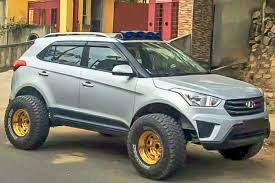
- The size doesn’t exceed manufacturer-recommended specs.
- It doesn’t affect the overall height or width of the car drastically.
Oversized wheels or extreme low-profile tires can affect handling and may be considered unsafe.
4. Window Tint (within limits)
Aftermarket sun films are banned in India, but:
- You can install factory-tinted glass.
- Windshield & front windows must allow 70% visibility, and rear windows 50%.
❌ Dark black films are strictly banned, no matter how expensive or premium they are.
5. Seat Covers and Interior Mods
Changing seat covers, steering wheels, infotainment systems, or ambient lighting is fully legal as long as:
- It doesn’t interfere with airbag deployment or driver control.
- Electrical work is done safely to avoid short circuits or fire hazards.
6. Horn and Lighting (Within Limits)
You can add LEDs, DRLs, or projector lights, but:
- They must not blind other drivers.
- Flashing lights, police sirens, or red/blue beacons are strictly prohibited unless you are authorized personnel.
❌ Illegal Car Modifications in India
Here’s what you should not do to your car, unless you want fines, police trouble, or RTO rejection.
1. Engine Swap or Performance Tuning Without Approval
Changing your car’s engine or tuning the ECU (Engine Control Unit) for extra power is not legal unless:
- It is certified and approved by the RTO.
- The new engine meets the same BS (Bharat Stage) emission norms.
Unauthorized engine swaps can void your insurance and RC.
2. Loud Aftermarket Exhausts or Mufflers
Modified exhausts that increase noise levels are illegal under the Noise Pollution (Regulation and Control) Rules.
- Anything above 80–90 dB is not permitted.
- Brands like Akrapovič or aftermarket free-flow exhausts might sound great, but they often violate decibel norms.
🚨 Police in many cities conduct frequent drives to fine loud exhaust users.
3. Chassis Alteration
You cannot:
- Change the structure of the chassis.
- Modify the length, width, or height of the car.
- Convert a car into a convertible or SUV lookalike.
This was clearly banned by a 2019 Supreme Court ruling stating that “no structural modification of the vehicle is permitted”.
4. Bull Bars / Crash Guards
Bull bars may seem to offer protection, but they are illegal in India because:
- They interfere with the functioning of airbags.
- They can harm pedestrians in case of an accident.
Installing bull bars can lead to fines and RTO action.
5. Illegal Lighting and Police-Style Flashers
Strobe lights, red/blue flashers, police-style rotating beacons, or high-powered fog lamps on the roof are strictly banned.
These distract other drivers and may be confiscated by traffic police on the spot.
6. Over-the-Top Body Kits
Exaggerated spoilers, lifted suspensions, low-slung bumpers, or widebody kits that alter the vehicle’s dimensions are illegal unless factory-fitted or RTO-approved.
7. Number Plate Modifications
Changing font, using decorative plates, or hiding part of the number plate is illegal.
Always use:
- High-contrast, visible plates.
- IND-approved fonts with proper spacing.
⚖️ What the Law Says: Supreme Court Ruling
In 2019, the Supreme Court ruled that no vehicle owner is allowed to alter the structural features of a vehicle as approved by the manufacturer. This includes:
- Engine capacity
- Chassis frame
- Dimensions
Only cosmetic changes that do not affect safety, pollution, or registration can be done with proper approval.
📋 How to Stay on the Safe Side
If you love modifying your car, follow these tips:
- Always check with the RTO before major mods.
- Keep all bills and certificates of changes.
- Get your RC updated if any visible change (like color or size) is made.
- Never compromise on safety for style.
- If unsure, consult a professional mod shop that understands the legal limits.
✅ Conclusion
Car modification in India can be exciting, but it comes with rules. The line between legal and illegal mods can be thin — and crossing it might cost you heavily. But if you stay informed, follow guidelines, and get professional help, you can create a custom car that turns heads without breaking the law.
To know more about us
To follow us visit :https://www.instagram.com/?hl=en
by
Tags:
Leave a Reply